
Mastering the spread: your guide to beating hidden FX fees
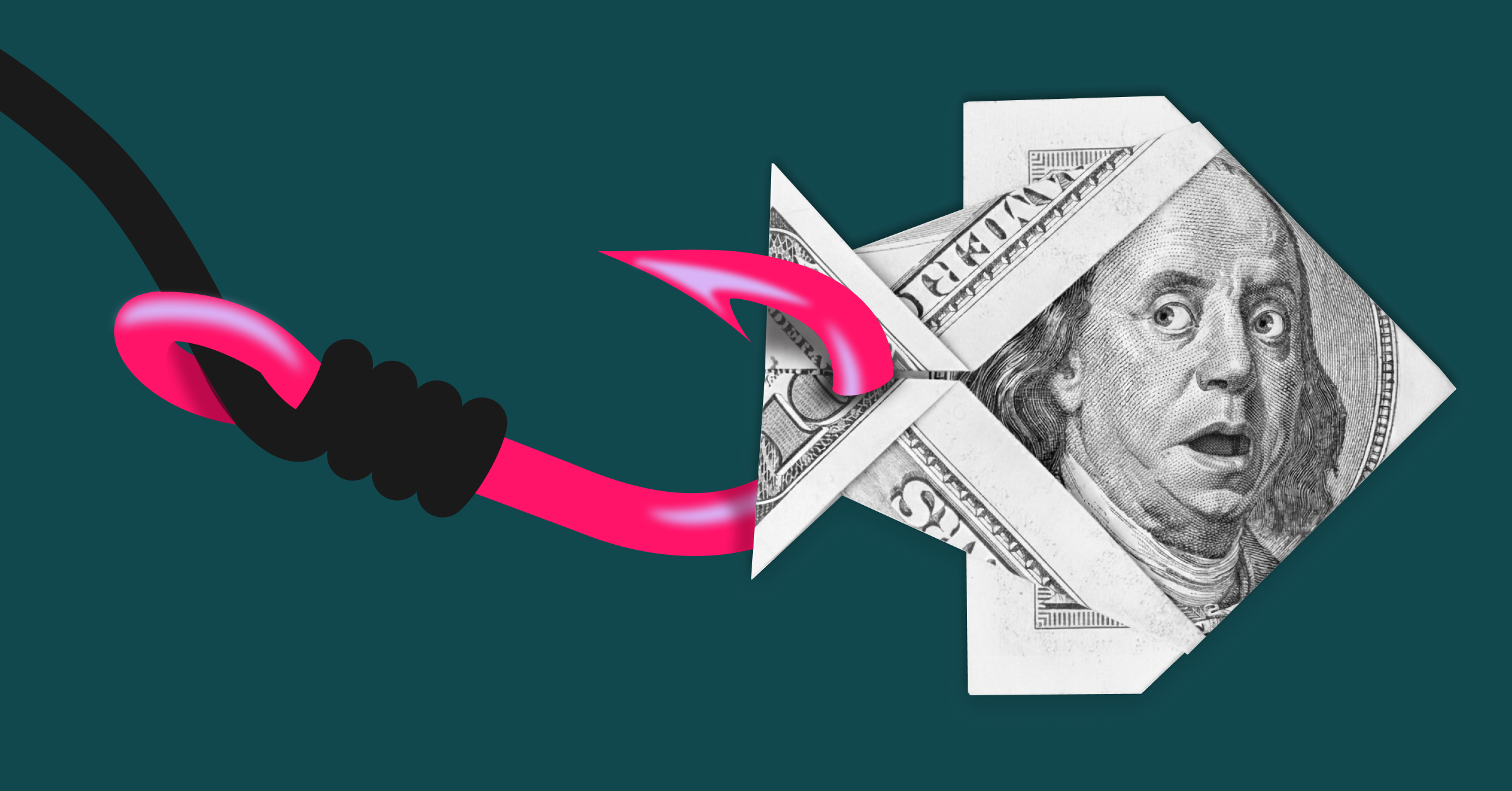
If you work with U.S. clients but live abroad, you likely negotiate and invoice in dollars. Yet, when the payment hits your bank, the amount is often smaller than expected, even when the platform claims the transfer is “low-fee” or “free.”
That gap isn't an accident; it’s the business model. Most providers profit not through visible fees, but by embedding margins inside the foreign exchange (FX) spread.
Where the money disappears: spreads and timing
Hidden costs typically hide in two places:
- The Spread: The difference between the real market rate and the worse rate offered to you. Over a year of recurring invoices, these fractions of a cent compound into thousands of dollars.
- The Timing: Many platforms convert funds when they choose, capturing the value if the rate moves in their favor before your money settles.
The real cost of a "3% markup"
A 3% markup sounds harmless until you calculate the annual impact. If you receive $5,000 per month ($60,000/year), a 3% hidden cost takes $1,800 out of your pocket annually.
$60,000 x 3% = $1,800
That isn't just a fee, it's a month’s rent or tuition lost to a platform you can't easily audit.
3 examples of the FX "tax"
The exporter (Mexico): Juan sells $10,000 of leather goods monthly on a 10% margin ($1,000 profit). A 3% FX markup ($300) doesn't just reduce his revenue, it cuts his total profit by 30%.
- The calculation: $300 (Fee) / $1,000 (Total Profit) = 30%
- The result: Instead of $1,000, Juan only takes home $700.
The freelancer (Global): Maria earns $5,000 monthly. Losing $1,800 a year to hidden spreads means she is effectively working for free for over a week every year just to pay her payment provider.
- The calculation: $1,800 (Annual Loss) / $1,153 (Weekly Rate) approx 1.56 weeks
- The result: Maria spends the first 8 working days of every year just covering her bank's "hidden" spread.
The regional flow (Brazil/Argentina): In markets with high volatility, providers often "buffer" rates to protect themselves, resulting in spreads that can exceed 4-5% during market swings. On a $2,000 transfer, that’s $100 gone instantly.
- The math: $2,000 x 5% = $100
- The result: Across 12 months, this "volatility buffer" totals $1,200, the cost of a high-end laptop or a specialized certification.
Where Higlobe fits
Higlobe is built around the belief that global professionals should keep more of what they earn, and that moving money internationally should not require users to accept hidden FX losses as normal. Our model is based on these transparent principles:
- First, we execute near-instantly at the rate you are quoted, so you are not exposed to timing games where the platform delays conversion and captures value from rate movement.
- Second, we prioritize transparent pricing. In some regions, market conditions vary, but we never use the exchange rate to hide "secret profits." We provide upfront quotes so you see the real numbers before you commit, no widening the spread behind your back.
- Third, we offer a lowest cost guarantee, which is a simple principle: if you find a better rate elsewhere, tell us, and we will match it, because this category should compete on honesty rather than opacity.
- Finally, we give users more control over timing by enabling them to hold value in a stable currency and earn yield until they are ready to exchange or withdraw.
This matters in emerging markets where people want to manage volatility, avoid converting at the wrong time, and preserve their earnings in a hard currency until they actually need local funds.
The question that follows
If you accept that payments should be instant, predictable, and free of hidden markups, then the next question is obvious:
If we don’t make money by moving your money, how does Higlobe make money?
That is exactly what I will break down in my next post.
In the meantime, stop letting hidden fees eat your profit and sign up for Higlobe today to start keeping more of your global paycheck with our lowest cost guarantee.
.png)
